Concrete Contractor

Concrete Resurfacing Services in Orange County

Worn concrete does not always need to be torn out. If the slab is still solid, our concrete resurfacing services can give driveways, patios, pool decks, walkways, and garage floors a fresh surface with better color, traction, and protection. We inspect the concrete first, repair what needs repair, then apply the right resurfacing system for the way the space is used. Serving Mission Viejo, Irvine, Huntington Beach, Lake Forest, Aliso Viejo, and the rest of Orange County.

CSLB #661604
45+ Years Experience
500+ OC Projects
Concrete Resurfacing in Orange County by The Floor Maintenance Company

Our Concrete Resurfacing Work in Orange County

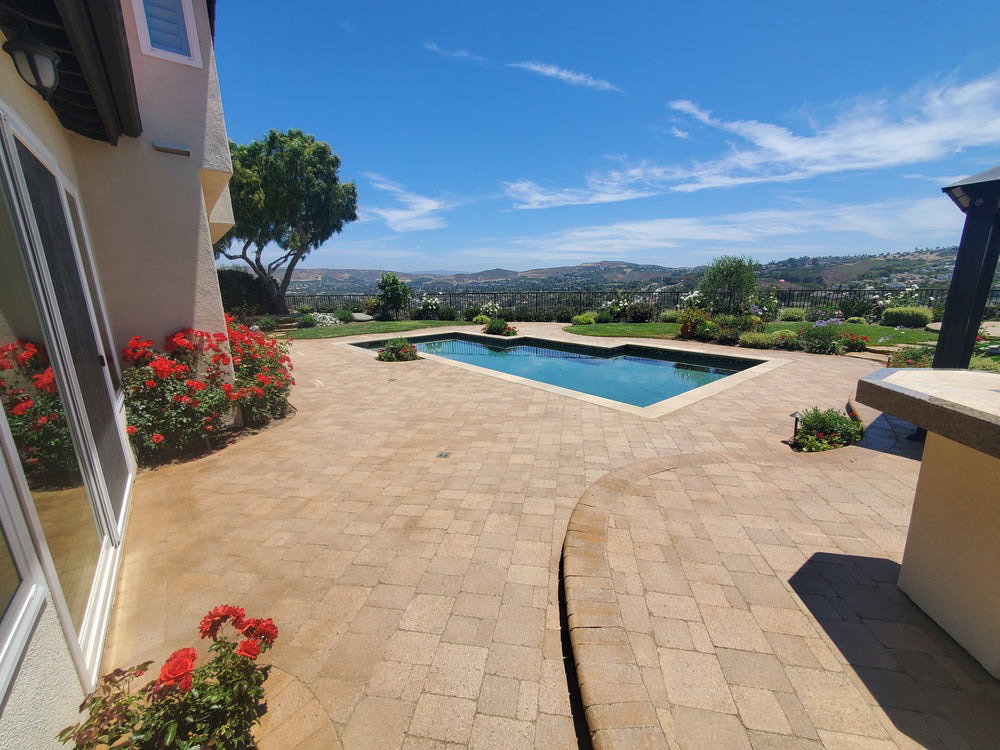
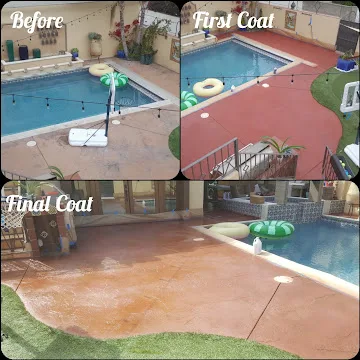
Pool Deck Resurface before and after in Lake Forest
Pool Deck Resurface Lake Forest
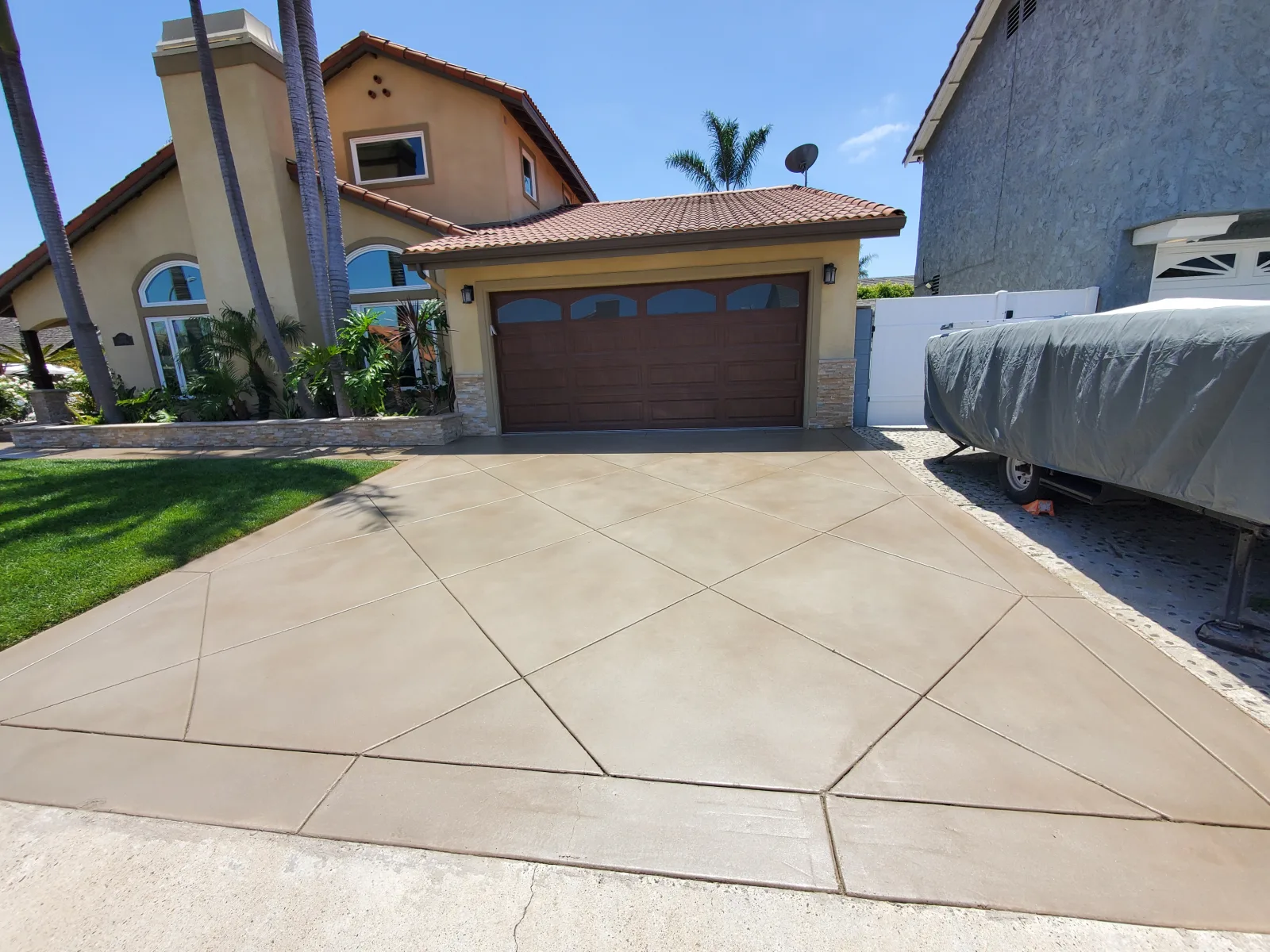
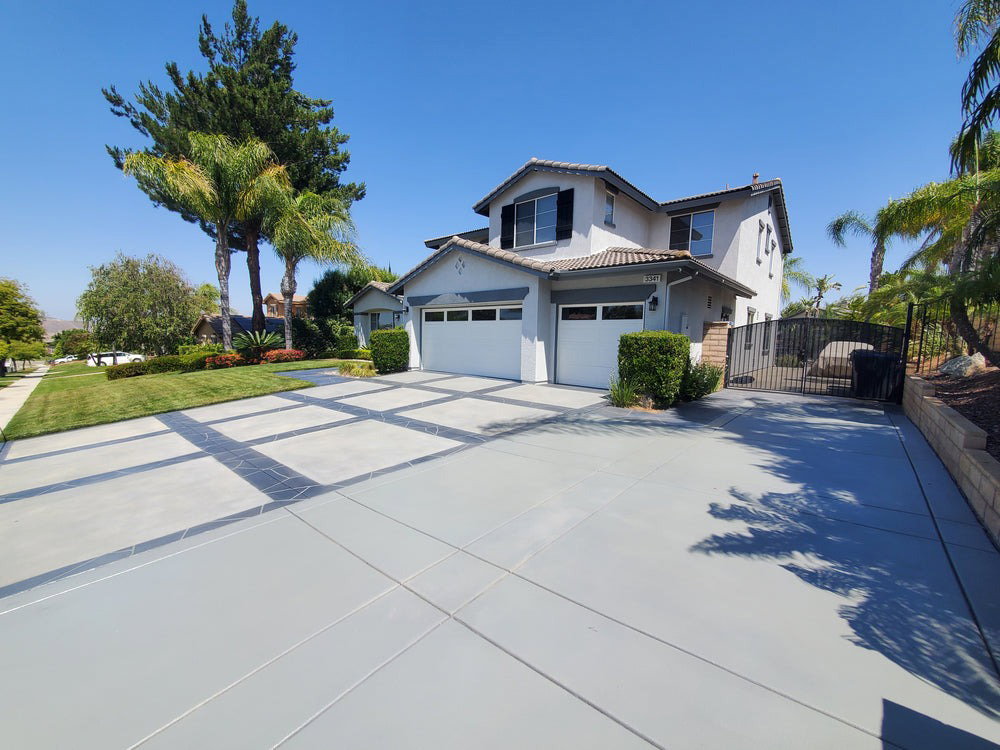
Driveway Resurface and Stain before and after in Huntington Beach
Driveway Resurface and Stain Huntington Beach
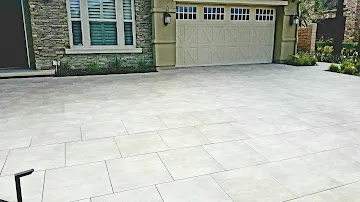
Front Walkway Refresh before and after in Aliso Viejo
Front Walkway Refresh Aliso Viejo

Concrete Resurfacing Options in Orange County

Concrete resurfacing is the process of applying a new bonded layer over existing concrete. The old surface is cleaned, repaired, profiled, and covered with a polymer-modified cement, overlay, coating, or finish that bonds to the slab below. Done correctly, it can make faded, stained, pitted, or rough concrete look new again without the cost and mess of replacement. The phrase covers a few different jobs. Concrete driveway resurfacing usually needs a stronger troweled or broom-finish surface that can handle tires, oil, heat, and daily use. Patio resurfacing and pool deck resurfacing often need texture, lighter colors, and a slip-resistant sealer. Walkways and front entries need a clean finish that improves curb appeal without creating trip points. Garage floor resurfacing may call for patching, grinding, a leveling layer, or a coating system if the concrete is pitted and dusty. We also use decorative concrete overlays when the goal is more than a plain gray repair. That can mean a broom finish, smooth trowel finish, spray-down texture, stained concrete finish, sealed surface, or stamped overlay. We choose from those based on the slab, the traffic, drainage, sun exposure, and whether you want the concrete to blend in or become part of the design. Resurfacing is not magic, and that matters. It works best when the slab is mostly level, the cracks are minor or repairable, and the damage is mainly on the surface. If the concrete is sinking, heaving, moving, badly broken, or failing because of the base underneath, replacement or concrete restoration may be the better call. We would rather tell you that early than sell a resurfacing job that telegraphs cracks a few months later.

Want us to look at your concrete resurfacing project?

Call now or text photos of the surface. We can usually tell you the right starting point before scheduling an estimate.

Types of Concrete Resurfacing

Not every concrete resurfacing project needs the same finish. Here's how the common options compare so you can pick the right one for your space.

Driveway Resurfacing Driveway Resurfacing

A troweled or broom-finish resurfacing system for stable driveways with surface wear, tire marks, stains, scaling, or tired curb appeal.

Pros

  • • Refreshes curb appeal
  • • Handles vehicle traffic
  • • Costs less than tear-out

Best For

  • • Driveways
  • • Garage aprons
  • • Front approaches
Patio Resurfacing Patio Resurfacing

A textured or smooth resurface for backyard patios that are faded, rough, stained, or worn from years of sun, water, and furniture.

Pros

  • • Cleaner outdoor space
  • • Texture options
  • • Color refresh

Best For

  • • Back patios
  • • Courtyards
  • • Outdoor dining
Pool Deck Resurfacing Pool Deck Resurfacing

Light-colored spray-down or textured resurfacing built for wet areas, bare feet, sun exposure, and slip resistance around the pool.

Pros

  • • Cooler underfoot
  • • Slip-resistant
  • • Hides old coating wear

Best For

  • • Pool decks
  • • Spa surrounds
  • • Wet patios
Walkway Resurfacing Walkway Resurfacing

A clean resurfacing option for front walks, side yards, entries, and paths where stained or rough concrete is hurting the first impression.

Pros

  • • Improves entry look
  • • Keeps joints readable
  • • Adds traction

Best For

  • • Front walks
  • • Sidewalks
  • • Entries
Garage Floor Resurfacing Garage Floor Resurfacing

Surface prep, patching, leveling, or coating work for pitted, dusty, stained garage concrete that needs to clean up and hold up.

Pros

  • • Reduces dusting
  • • Improves cleanability
  • • Preps for coatings

Best For

  • • Garages
  • • Work areas
  • • Storage floors
Decorative Concrete Overlay Decorative Concrete Overlay

A thicker overlay for homeowners who want pattern, color, or a more finished look instead of a plain utility resurface.

Pros

  • • Custom appearance
  • • Stain compatible
  • • Pattern options

Best For

  • • Feature patios
  • • Entries
  • • Outdoor kitchens

Our Concrete Resurfacing Process

What working with us actually looks like

  1. 1

    Inspection and surface assessment

    We check the slab before recommending resurfacing. That means looking at cracks, drainage, previous coatings, hollow areas, surface dusting, spalling, and whether the concrete is still structurally sound. If resurfacing is not the right fit, we say so.

  2. 2

    Cleaning, grinding, and prep

    The bond is only as good as the prep. We pressure-wash, remove loose concrete, grind off failed sealer or coating, clean oil and contaminants where possible, and profile the surface so the resurfacing material has something solid to grab.

  3. 3

    Crack and surface repair

    Repairable cracks are cleaned and filled, pitted areas are patched, and damaged edges are rebuilt before the new surface goes down. Control joints stay open or get re-cut so normal slab movement has a place to go.

  4. 4

    Resurfacing application

    We apply the resurfacing layer based on the surface and finish: spray-down texture for pool decks, troweled or broom finish for driveways and walks, self-leveling material for indoor floors, or a decorative overlay when the project calls for pattern and color.

  5. 5

    Texture, color, and sealing

    The final texture and color are built around use. Pool decks need grip and lighter colors. Driveways need vehicle-rated sealer. Entries and patios may get stain, antiquing color, or a decorative finish. We seal the surface and explain cure time before you use it.

Why Orange County Chooses The Floor Maintenance Company for Concrete Resurfacing

Most Orange County resurfacing calls fall into a few familiar buckets. In Mission Viejo, Lake Forest, Aliso Viejo, Rancho Santa Margarita, and Huntington Beach, we see a lot of pool decks and patios from the 1980s and 1990s. The original slab is usually fine, but the surface is hot, faded, patched, or rough enough that nobody wants to walk on it barefoot. A light-colored spray-down or textured overlay can bring the backyard back without touching the pool shell. Driveway resurfacing is common in Tustin, Orange, Costa Mesa, Brea, Anaheim, Fullerton, and Garden Grove, where older tract homes still have their original concrete. The slab may be stable, but the top is scaled, stained, and tired from decades of tires, oil, sprinklers, and sun. Those projects usually need grinding, crack repair, and a troweled or broom-finish resurface with a sealer that can handle vehicle traffic. Indoor resurfacing is different. In Newport Beach, Corona del Mar, Laguna Beach, Irvine, and the Great Park neighborhoods, homeowners often pull up tile or carpet and find a slab that is too uneven or patched for the finish they want next. A self-leveling resurfacing layer can prepare the floor for polish, stain, microcement, large-format tile, or another finished surface. We provide concrete resurfacing services throughout Orange County, including Mission Viejo, Irvine, Lake Forest, Aliso Viejo, Laguna Niguel, Newport Beach, Huntington Beach, Tustin, Orange, Anaheim, Fullerton, Costa Mesa, Rancho Santa Margarita, and nearby cities.

Ready to Get Started with Concrete Resurfacing?

Free on-site estimates. We'll come to you anywhere in Orange County.

Concrete Resurfacing FAQ

Q: Can concrete be resurfaced?

Yes, if the slab is structurally sound and the damage is mostly at the surface. Good candidates are faded, stained, rough, pitted, or lightly cracked slabs that are still level and stable. If the concrete is sinking, heaving, or breaking apart from the base, resurfacing alone will not solve the problem.

Q: How much does concrete resurfacing cost?

Concrete resurfacing cost depends on square footage, surface condition, crack repair, grinding, coating removal, finish type, sealer choice, and access. A simple broom-finish resurface costs less than a decorative stamped overlay or a self-leveling indoor floor. The most accurate way to price it is to inspect the slab first, because prep is where the job succeeds or fails.

Q: How long does concrete resurfacing last?

A properly prepared resurfaced slab can last for years. Lifespan depends on the original concrete, traffic, drainage, sun exposure, finish type, and sealer maintenance. Outdoor driveways and pool decks need periodic resealing. Indoor resurfacing lasts longer because it is not fighting UV, sprinklers, pool water, and vehicle traffic every day.

Q: Can you resurface a concrete driveway?

Yes, many concrete driveways can be resurfaced if the slab is stable. We look for active cracks, sinking panels, oil contamination, drainage issues, and previous coatings before recommending driveway resurfacing. If the surface is only scaled, stained, or worn, resurfacing is often the more practical repair.

Q: Can you resurface a concrete patio or pool deck?

Yes. Patios and pool decks are some of the best resurfacing candidates when the main problems are faded color, rough texture, minor cracking, peeling coating, or heat underfoot. We usually recommend lighter colors, textured finishes, and a slip-resistant sealer for wet areas.

Q: Is resurfacing better than replacing concrete?

Resurfacing is usually better when the slab is solid and the problem is cosmetic or surface-level. Replacement is better when large sections are moving, the slab is sinking, cracks are wide and spreading, or the base has failed. During the estimate, we separate what can be resurfaced from what needs repair or replacement.

Q: Is resurfacing the same as a concrete overlay?

They overlap. Resurfacing is the broader term for putting a new bonded surface over old concrete. A concrete overlay is usually a thicker or more decorative resurfacing system, often used for stamped patterns, stained finishes, or a cleaner design surface. We choose the system based on the slab and the finish you want.

Q: Will resurfacing fix cracks in my driveway or patio?

It can handle hairline cracks and repairable surface cracks, but it will not stop a slab that is still moving. Active structural cracks can telegraph through the new surface. That is why we inspect the concrete first and repair cracks, joints, drainage, or settlement issues before resurfacing.

Q: How soon can I use resurfaced concrete?

Most resurfaced areas can take light foot traffic after about 24 hours. Normal patio or pool deck use is usually 48 to 72 hours. Driveways need longer before vehicle traffic, often about 7 days, because tires put heat and load into the surface. We give you the exact cure timeline for your material and weather.

Q: Can I resurface concrete myself?

Small hidden patches can be a DIY project if you follow the prep instructions exactly. Larger visible areas are less forgiving. Most failed DIY resurfacing we repair comes from weak prep, dirty concrete, old sealer left behind, or material mixed too wet. For a front driveway, pool deck, or patio you see every day, professional prep usually matters more than the bag of product.

Free Estimates

Get a Free Concrete Resurfacing Estimate

No pressure. No obligation. Just an honest look at your floors and what's possible.